Continuous Penetration Testing: Why Fresh Eyes Find Fresh Bugs
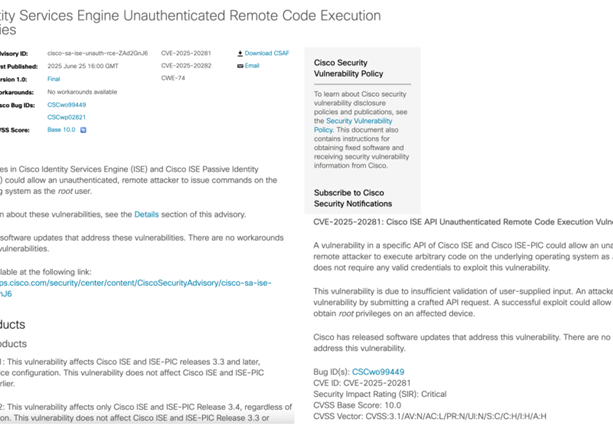
[Editor’s note: I wrote this short blog post to illustrate the advantages of Continuous Penetration Testing. In this case, a tester discovered a vulnerability triggered by a new event in Active Focus, even though the same issue had been missed during a previous test. It’s a great example of why continuous testing matters. ~Chris Dale]
Traditional penetration tests have been the backbone of security assurance for years. A company hires a team, the team spends a few weeks testing, writes a report, and everyone breathes a little easier afterward.
But software doesn’t sit still anymore.
Applications change weekly. Infrastructure shifts. New integrations appear. Old code paths get reused in strange ways. Security testing that happens once or twice a year struggles to keep up with that pace.
That’s where Continuous Penetration Testing (CPT) starts to change the game.
Not because the techniques are radically different. But because the conditions under which testing happens are completely different.
And those conditions matter more than people think.
The Problem With Static Testing in a Dynamic World
A traditional penetration test usually happens during a defined window.
- The scope is fixed.
- The application state is frozen in time.
- The testers work through the system as it exists in that moment.
When the test finishes, the findings reflect the reality of that snapshot.
But here’s the uncomfortable truth: most vulnerabilities are not tied to a single moment in time. They appear as systems evolve.
- A feature gets added.
- A vulnerability is found in a third-party dependency.
- A microservice introduces a new trust assumption.
- A developer exposes debug functionality in staging that accidentally reaches production.
None of that existed during the last pentest.
So the report stays accurate, but the application has already moved on.
New Events Create New Attack Surfaces
Continuous penetration testing changes the rhythm entirely.
Instead of testing one static version of an application, testers engage with the system as it evolves.
And evolution creates opportunity.
- A new authentication flow appears.
- A backend migration introduces a subtle trust boundary.
- A payment provider integration adds a new callback endpoint.
Each change introduces new attack surfaces.
From the tester’s perspective, these moments are gold.
They provide fresh entry points into the application, places where assumptions are still forming and defensive thinking hasn’t fully caught up yet.
In many engagements, some of the most impactful findings appear right after a feature release, when the architecture is still settling.
New Features Are Food for Pentesters
Every new feature introduces complexity. And complexity is where vulnerabilities live.
In continuous testing environments, testers constantly receive new “food” to work with:
- new endpoints
- new workflows
- new authorization models
- new integrations
- new data flows
This isn’t just more surface area.
It’s different surface area.
A tester who explored an application two months ago might approach a new feature with the knowledge of the entire system’s previous behavior. That historical context allows them to connect dots developers might not see. Or sometimes even better, a different tester joins the party, a fresh set of eyes, able to take the historical context and apply new testing knowledge based on the changes.
For example:
A tester may notice that dev/ops have pushed source-maps to the client-side application. This makes it significantly easier to do source-code analysis, and thus can approach bug hunting in a new light. .
Fresh Eyes Change the Way Problems Are Seen
Another underrated benefit of continuous testing is the simple reality that different people see different things.
When testing is continuous, multiple testers may interact with the same application over time.
Each tester brings:
- different intuition
- different attack patterns
- different experiences with vulnerabilities
One tester might focus heavily on business logic flaws.
Another might dig deep into authentication flows.
Another might approach APIs with automation and fuzzing.
The result is something powerful.
The same system gets viewed through multiple mental models of attack.
And that dramatically increases the chances of finding subtle vulnerabilities that slip past conventional testing.
Context Builds Over Time
Something interesting happens when penetration testing is continuous.
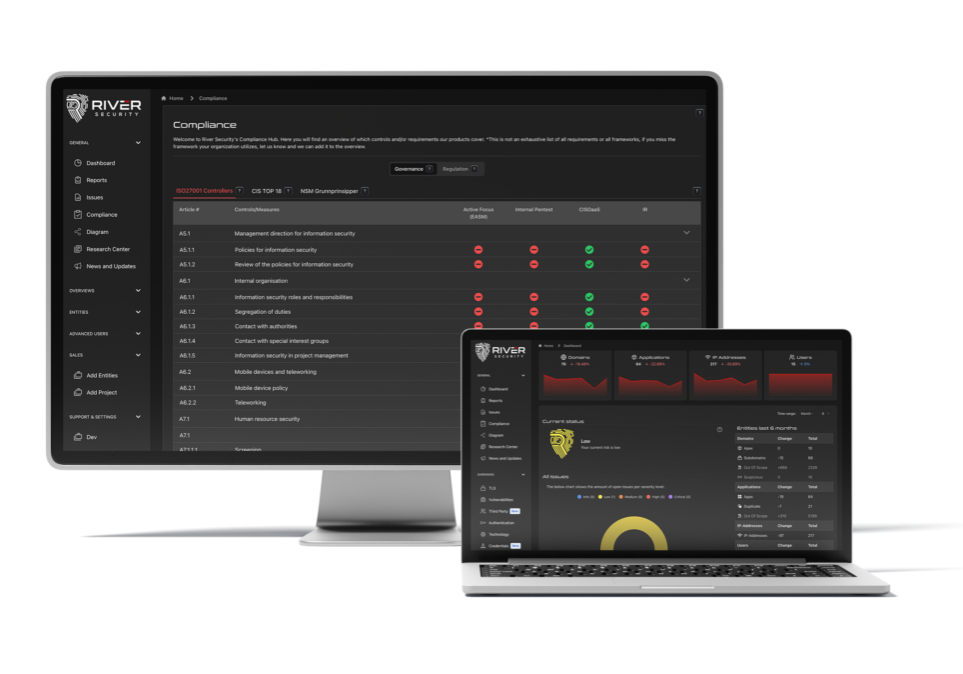
Active Focus, our Continuous Penetration Testing platform, build institutional knowledge of the system.
It remembers how the system used to be, what it now looks like.
Instead of starting from scratch every time, testers begin asking deeper questions such as Did the latest change introduce a bypass here?
The result is a form of testing that becomes smarter with time, not just repetitive.
Security That Moves at Development Speed
Modern development moves fast.
CI/CD pipelines deploy daily.
Infrastructure changes constantly.
Features evolve rapidly.
Security needs to match that tempo.
Continuous penetration testing aligns with how software is actually built today.
It keeps testers engaged with the system as it grows, adapts, and sometimes breaks in unexpected ways.
And that constant interaction dramatically improves one key outcome:
the chances of finding the bugs that matter before attackers do.